How Can We Prevent "Real Men" From Committing Suicide?
 |
| Original image by Thomas Ulrich used with permission |
What Data Tells Us About the Impact of Masculinity
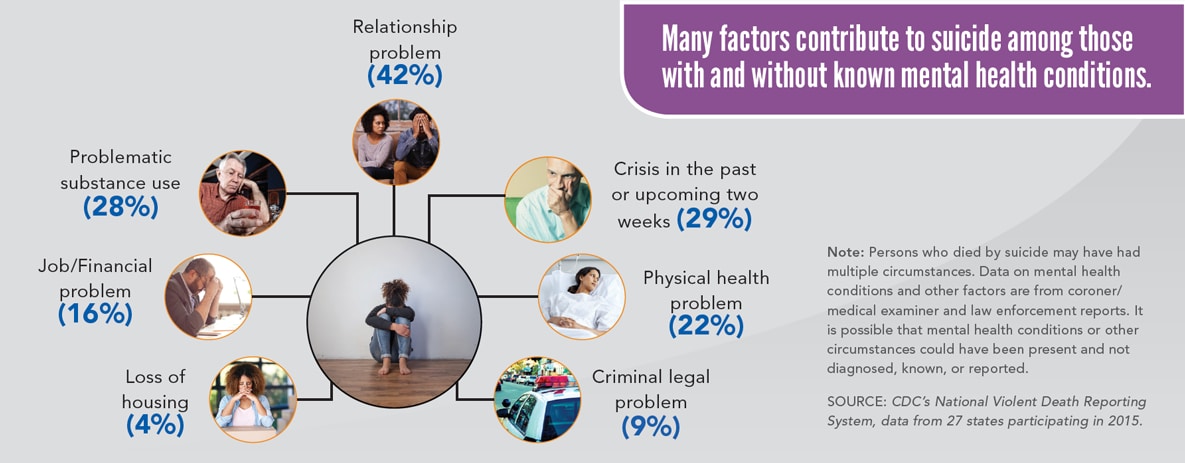
This Slate article article addresses CDC findings related to the suicide rates of men in our society and makes the connection to masculinity in this statement:
 |
| Credit: CDC |
I've witnessed people deny and mock the concept of toxic masculinity. In my personal interactions, it is typically white men who refuse to consider the possibility that masculinity can be harmful to individuals and society. I'm going to connect gender constructs of masculinity to the factors highlighted by the CDC to provide evidence that toxic masculinity is real issue and one that needs to be addressed for the sake of men's health.
Mental Health
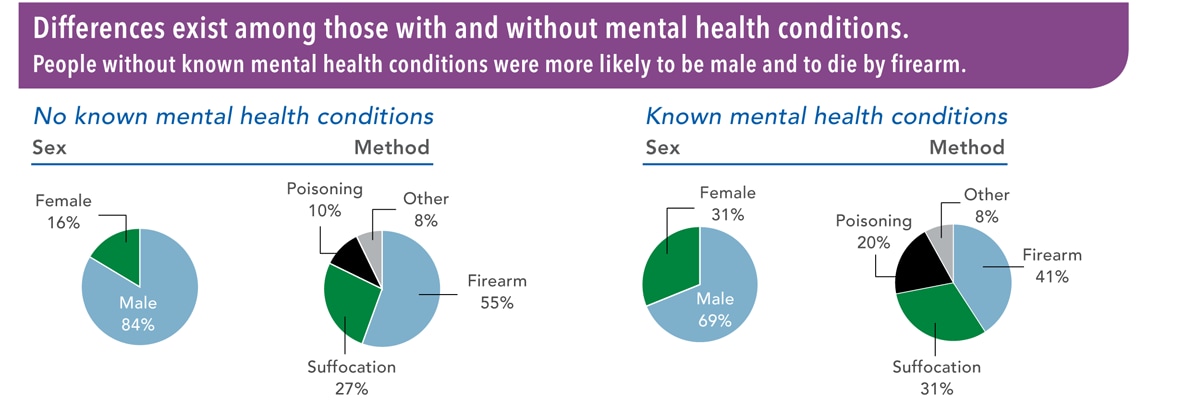
The standards created by hegemonic masculinity creates a standard of "real" men who are strong with the ability to repress feelings of vulnerability and weakness (Wade and Ferree 2019). The CDC report indicates that a significant number of suicide victims didn't have a mental health diagnosis. According to a Washington Post article, Joshua Gordon, Director of the Institute of Mental Health, stated that medical records and family member input would indicate a rate of 90% of suicide victims having a mental health condition.
 |
| Credit: CDC |
Alcohol and Drug Use
Mass media portrayals of men excuse masculine norms of drinking too heavily and engaging in the risky behaviors of abusing alcohol and drugs have become behaviors associated with masculinity (Wade and Ferree 2019). The CDC reported that substance abuse was a known contributor of 28% of suicides.
Social and Personal Problems
Patriarchy is a legacy with control and dominance at its' core. The value of masculinity and the domination and subordination of femininity helps define statuses in a patriarchal society. The belief that men need to protect and provide for women creates a superiority for men, and those who show weakness or fear are ridiculed as defined by Allan G. Johnson (2014). The Washington Post highlighted the impact of the Great Recession and the rise in foreclosures during that era impacted white men more than any group.
Access to Firearms
According to Johnson (2014), manhood requires control, a sense that doesn't show fear or pain. Maintaining a culture of superiority leaves men stuck in a chronic state of anxiety in relation to being vulnerable to other men. Gun ownership and the belief that a good man's gun is the only thing that can suppress evil also includes a price that men die from suicide. Slate reports women are more likely to attempt suicide, but men are more two to four times more likely to carry it out due to using firearms. This CDC Fact Sheet reports that firearms are used in 56.9% of male suicides.
The Future of Masculinity
The term Toxic Masculinity might be a non-starter in regard to getting men to the table to discuss how constructs of masculinity are isolating so many men and leaving them feeling hopeless enough to attempt suicide. Which could be why the American Psychological Association doesn't recognize toxic masculinity, but refers to traditional masculinity. A term that allows for men to feel less defensive might be required to start the conversation despite the proof that definitions of masculinity in our society include toxic attributes. There are a number of practical resources that educate people to look out for potential warning signs for people to watch out for with their loved ones, but missing is the impact of toxic masculinity as root cause to the epidemic.
Men need to understand the personal benefits to redefining masculinity and the examining factors that are harmful associated with the construct. Men also need to see themselves in the people who are delivering the message regarding the benefits towards shifting paradigms associated with manhood. A macro-level movement led by men to remove the shackles of toxic masculinity and patriarchy could be the only way out of the present labyrinth that is producing a suicide epidemic.
Reaching boys early in our society and the importance of holding the media accountable for their role in redefining masculinity should be central to any social movement. It will be a tough task to ask our males to consider the benefits of reassessing our behaviors and attitudes towards mental health, responsible use of alcohol and drugs, letting go of the patriarchy that is suffocating our culture with anxiety and resentment, as well as difficult conversation to be had about the personal costs of our Second Amendment and how gun ownership can continue in a manner that is also safer for gun owners.
Dig Deeper:
1. Have you been in a social situation when concept of toxic masculinity was presented? What were the reactions?
2. Watch these advertisements for Gillete Products and Dove Products. Research some of the positive and negative reactions to these ads and reflect on the power of media holds in shaping attitudes and promoting social movement in society related to masculinity.
3. Apply the three sociological perspectives to the construct of masculinity. Do some theories apply easier to toxic masculinity than others?
4. Who suffers the most from toxic masculinity in society?
References:
- Johnson, Allan G. 2014. The Gender Knot: Unraveling our Patriarchal Legacy, 3rd ed. Philadelphia, PA: Temple University Press.
- Wade, Lisa and Ferree, Myra Marx. 2019. Gender: Ideas, Interactions, Institutions, 2nd ed. New York, NY: W.W. Norton & Company.
This comment has been removed by a blog administrator.
ReplyDeleteThis comment has been removed by a blog administrator.
ReplyDelete